
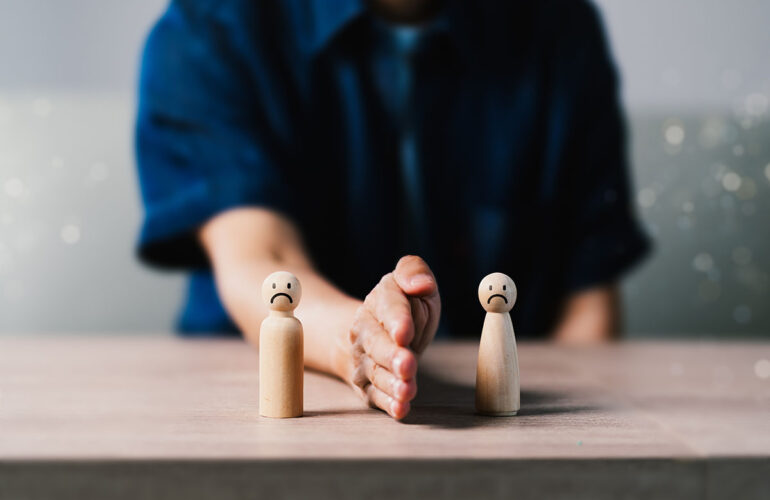
So many people say that they don’t like conflict and while this may be true, it’s best to learn how to handle conflict because let’s face it, life is conflict. It’s all around us – at home, work, school, church, politics, and in society as a whole. Conflict is actually natural, normal and many times necessary. It may be beneficial to learn how to successfully deal with conflict in a peaceful and humane way.
What is Conflict?
Conflict involves having serious disagreements with or about someone or something. It can lead to heated discussions and even violence. Another way to look at conflict is to have differences or incompatibilities between two or more parties. This usually stems from people who believe they are right about something and the other party is wrong or they have opposing opinions, values or principles.
Conflict Resolution
A simple strategy used to prevent or successfully handle conflict is conflict resolution, which involves an attempt to settle differences and understand why they occur in the first place. Conflict resolution attempts to get to the root of the problem and answer various questions like “What exactly is the problem?” or “Does a problem exist at all?”. The goal of conflict resolution is to come to a mutually acceptable outcome. This takes skills and patience.
Conflict Resolution Skills
One of the best approaches to conflict resolution is active listening, which involves hearing someone’s words, but also taking into account the emotions behind the words. People speak with urgency, anger or sadness. They emote while they speak. While doing so, take a step back and monitor your own emotions. Separate yourself from the situation and gain better insight into the problem at hand.
More conflict resolution skills include:
- Keep an open mind because we all see things differently
- Be as empathetic as possible to the other person’s problems
- Don’t let your emotions escalate the conflict
- Breathe and de-escalate any frustration or anger you may feel
- Stay positive and optimistic that a resolution will develop
- Communicate clearly and genuinely
- Promote the positive within the conflict
- Self-reflect and open yourself up to other people’s perspectives try to remain objective and unbiased and don’t take the conflict personally
- Be aware of body language
- Don’t get baited into overreacting, raising your voice or becoming physical
- Learn how to agree to disagree
- Learn how to be ok with disagreements
- Understand that at times there will be no conflict resolution and both parties will have to walk away
- Be humble and apologize when it’s the right time
Final Words on Developing Effective Conflict Resolution Skills
Most people don’t like conflict, but that’s because they may not have learned how to successfully handle it. Conflict resolution isn’t rocket science, but it does take time and effort as well as learning a few skills to keep in one’s back pocket. The more you know about resolving conflict, the less likely you’ll try to avoid it.