
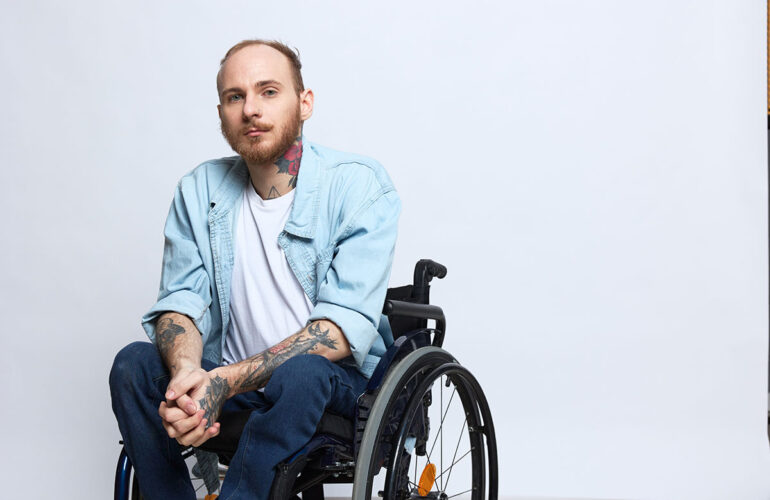
Senior care has become ultra-competitive and seniors have many options before requiring nursing home care. Home health has risen to be skilled nursing’s main competition, as is assisted living and hospice. Census, therefore, is always a focus of administration who are consistently seeking ways to increase and maintain it. Perhaps admitting more younger adults who need skilled nursing can improve occupancy.
Why Would Younger Adults Need Skilled Nursing?
A trend has been taking place in society and healthcare for some time now. Younger people are developing a number of physical and mental/behavioral health conditions that require skilled nursing care. Among the key factors driving younger adults to skilled care are the following:
Complex chronic conditions
Younger adults are being diagnosed with conditions formally seen in the older adult population like multiple sclerosis, advanced diabetes, and severe respiratory illnesses.
Trauma and Accidents
Severe injuries from car accidents, strokes, traumatic brain injury (TBI) or spinal cord injuries can lead to long-term rehabilitative care needs that skilled nursing homes provide.
Mental Health and Neurodevelopmental Disorders
Young adults diagnosed with severe psychiatric conditions like schizophrenia or bipolar disorder may benefit from skilled nursing care. Those with neurodevelopmental disorders like autism may also benefit from a structured medical and social support system.
Early-Onset Diseases
Conditions like early-onset Alzheimer’s disease, Huntington’s disease, ALS or Parkinson’s disease may require intensive care at younger ages.
Gaps in Home or Community-Based Care
Another reason younger adults might require skilled nursing care is simply there’s nowhere else to go. Lack of affordable home health care or specialized outpatient treatment programs can become push factors, sending younger adults to their only option – skilled nursing homes.
Implications for Skilled Nursing Homes
There will be many challenges mixing younger and older people together in nursing homes, and as a result, some modifications will need to be made. In terms of facility design and accommodations, younger people may need more mobility-friendly spaces (electronic wheelchairs), recreational programs and technological integration. Instead of traditional long-term care, younger people will require more rehabilitative services including physical, occupational and speech therapies. Training staff on the needs of younger people will be a must, especially in the area of behavioral health. Last, the facility can develop a community integration program, helping younger adults find meaningful work, education and social engagement outside of the skilled nursing facility.
Final Thoughts on Increasing Census in Skilled Nursing with Younger Adults
Today’s skilled nursing home is changing due to census challenges and the need to provide care to younger people. Several push-factors including early onset illnesses, trauma, and lack of community resources for young adults are leading to more younger adults living in skilled nursing homes. Since this has been a trend for some time and is predicted to continue, skilled nursing homes will need to get prepared – from building design to person-centered care, in order to ethically and appropriately deliver care to young people who need it.