
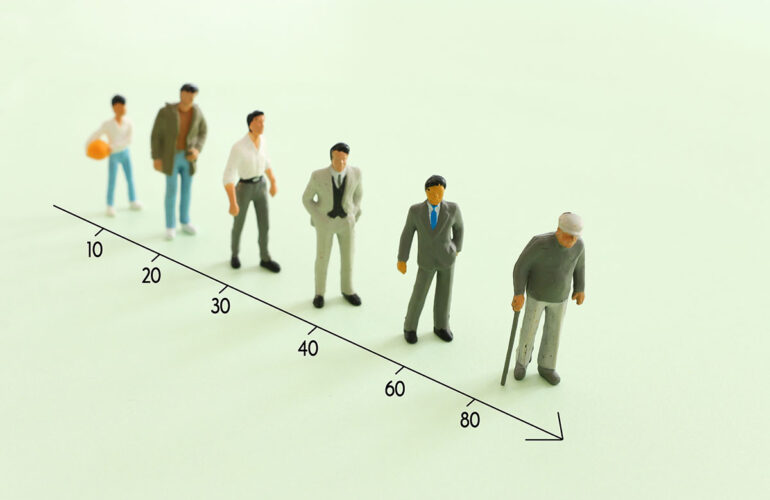
Despite the many improvements in healthcare models and the dawn of integrated health in the U.S., the need to provide timely and appropriate care to older adults managing medically complex conditions over long periods of time and throughout different stages of the life course, is greatly needed. It can be said that a number of healthcare models linger from the second half of the 20th century that primarily focus on infectious diseases and major medical events like heart attack, stroke and diabetes. A better healthcare model might be person-centered care within a life-course approach, which would respond to the needs of older adults and improve life expectancy.
Life Course Approach for Older Adults
While the words “life course approach” have been used theoretically and academically in college classrooms, they fall flat when it comes to policy and implementation within the community setting, especially concerning healthcare models. A life course approach takes into account a person’s stages in life as well as the many transitions from year to year or decade to decade, all within a social context. For instance, the medical or psychiatric needs of a 21-year-old would barely match those of an 85-year-old, and the current state of healthcare delivery in the U.S. still favors fixing broken bones and prescribing antibiotics over age-appropriate care through one’s life course.
Elements of a Life Course Healthcare Model
A better approach to delivering care at various stages of life would in fact, focus on certain domains of health needs – physical, behavioral and mental, at various stages throughout a person’s life course. This approach would involve the following:
- Monitoring and promoting optimal health and abilities at certain ages or stages of life, while identifying risks of decline early enough to implement preventative or rehabilitative interventions
- Risk and disease management of chronic conditions, multimorbidity, polypharmacy and other geriatric conditions
- Develop supportive environments that enhance quality of life, well-being, functional capacity and equity on health outcomes
- Empower people to make informed health decisions, improve health literacy, and self-care through individual, family, and community engagement
Each of these domains is meant to create better health outcomes over the course of a person’s life. They are also meant to preserve capacity and functionality, based on the person’s life stage, values, preferences, culture and other important factors.
Final Thoughts on A Life-Course Approach to Health Care
Health and medical care have come a long way in the United States and will hopefully continue to improve over time. One model of care that may help now and in the future is a person-centered, life-course approach to healthcare models and delivery, which provides the right care at the right stage in life. It also can help to prevent or delay onset of a number of diseases and disorders like cancer, heart disease, Alzheimer’s disease, diabetes and stroke. As the aging population grows, there is an immediate need for a better healthcare model, one that doesn’t just reverberate within the halls of academia, but in policy practice.
Reference
- Gonazalez-Bautista, Emmanuel, Patricia Morsch, and Delfina Alvarez. Aging in the Americas: Innovations to Bring Integrated and Person-Centered Care to Life. Public Policy & Aging Report, 2025, 35, 49-52.